Understanding the Science Behind Dental Aesthetics
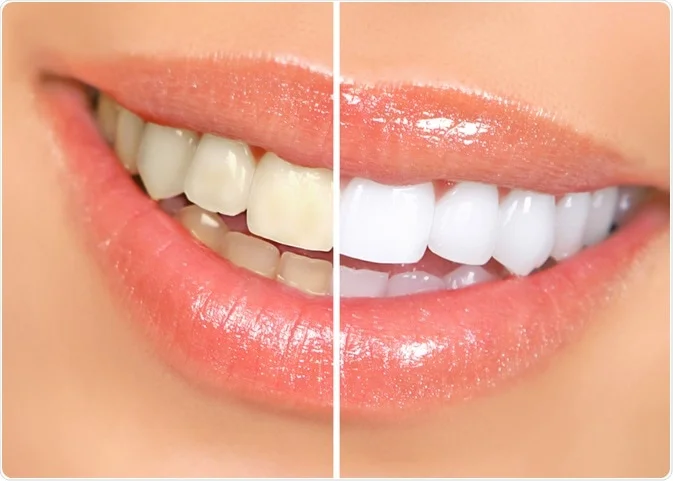
The pursuit of a brighter smile involves far more than simply applying whitening agents to tooth surfaces. Professional dental practitioners recognise that achieving optimal results requires a sophisticated understanding of colour theory and how it applies to dental aesthetics. This scientific approach transforms teeth whitening Macleod from a basic cosmetic procedure into a precise art form that considers the complex interplay of hue, saturation, and brightness.
Modern dentistry has embraced the principles of colour science to deliver more predictable and visually pleasing outcomes for patients seeking whiter teeth. By understanding how colours interact and complement each other, dental professionals can create treatment plans that enhance not only tooth brightness but also overall facial harmony and aesthetic appeal.
The Fundamentals of Dental Colour Science
Tooth colour exists within a three-dimensional colour space that encompasses several key components. The hue represents the basic colour family, whilst chroma indicates the intensity or saturation of that colour. Value, perhaps most crucially for whitening procedures, determines the lightness or darkness of the tooth. Understanding these fundamental principles of hue, chroma, and value in cosmetic dentistry enables practitioners to make informed decisions about treatment approaches.
Natural teeth rarely display uniform colouration across their surface. The cervical third typically appears more saturated and darker than the incisal edge, creating a natural gradient that contributes to the tooth’s vitality and realistic appearance. Successful whitening treatments must preserve these subtle variations whilst achieving the desired level of brightness enhancement.
Professional Assessment Techniques
Shade Matching and Documentation
Accurate colour assessment forms the foundation of any successful whitening treatment. Professional dental practices utilise standardised shade guides and digital colour-matching technology to document baseline tooth colour and track progress throughout treatment. This systematic approach ensures consistent results and enables practitioners to communicate clearly with patients about achievable outcomes.
The process involves evaluating teeth under controlled lighting conditions, as ambient light significantly influences colour perception. Natural daylight provides the most accurate assessment environment, though specialised dental lighting systems can replicate these conditions within the clinical setting.
Environmental Factors in Colour Perception
The surrounding environment plays a crucial role in how tooth colour appears to both practitioners and patients. Factors such as lighting temperature, surrounding colours, and even the patient’s skin tone and lip colour influence the perceived whiteness of teeth. Comprehensive colour science principles in dental applications demonstrate how these variables must be considered during treatment planning.
Professional dental environments are designed to minimise colour distortion, utilising neutral wall colours and standardised lighting systems. This controlled environment ensures that colour assessments remain consistent and that treatment outcomes meet both practitioner and patient expectations.
Advanced Whitening Methodologies
Contemporary whitening approaches recognise that different areas of the tooth may respond differently to treatment protocols. The enamel structure varies across the tooth surface, with some regions containing more porous areas that accept whitening agents more readily. Understanding these structural differences enables practitioners to adjust treatment parameters accordingly.
Professional whitening systems often incorporate graduated application techniques that account for these natural variations. This approach ensures uniform colour improvement whilst maintaining the tooth’s natural appearance characteristics. Colour matching techniques used in dental crown procedures share similar principles that apply to whitening treatments.
Patient Considerations and Expectations
Individual patient factors significantly influence whitening outcomes and satisfaction levels. Age-related changes in tooth structure, previous dental work, and natural tooth colour variations all impact treatment results. Practitioners must evaluate these factors during initial consultations to establish realistic expectations and appropriate treatment protocols.
For patients seeking teeth whitening services, understanding these colour theory principles helps explain why customised treatment approaches yield superior results compared to generic whitening solutions.
Achieving Long-Term Success
Successful teeth whitening extends beyond the initial treatment phase. Colour theory principles guide post-treatment care recommendations, helping patients maintain their enhanced smile whilst preserving tooth health. Understanding how various foods, beverages, and lifestyle factors affect tooth colour enables practitioners to provide comprehensive guidance for sustaining whitening results over time.
The application of colour theory in teeth whitening represents a sophisticated approach that elevates cosmetic dentistry from simple aesthetic enhancement to precision colour science. This methodology ensures that patients receive treatments tailored to their individual needs whilst achieving natural-looking, long-lasting results that enhance their overall facial aesthetics.
Disclaimer: Any surgical or invasive procedure carries risks. Before proceeding, you should seek a second opinion from an appropriately qualified health practitioner.
About the Author